
Fragments of Us,
The Identity Room
Identity Room By Community Members & Artists,
Call for Written Contributions
We invite people connected to Sri Lankan identity across the world to share their writing as part of a collective exploration of identity, memory, and belonging. Contributions may also take creative forms that work with paper, such as words carried on a kite, a paper plane, or a lantern. There is no single way to write identity here.
Contributions may include poetry, short prose, letters, fragments, reflections, or other written forms. You are welcome to write in the way that feels most true to your experience, whether your words carry memory, grief, humour, love, resistance, uncertainty, or quiet reflection.
Submissions may be handwritten or typed and can be written in any language. Original handwritten and hand-made works are encouraged, and contributions can be posted or emailed depending on the form of the work.
The Identity Room is a dedicated space for written expression and reflection, centering community voices beyond visual art. It is a space to hold both what is spoken and what is often left unsaid, allowing identity to appear as layered, unfinished, and continually reshaped.
Please type your submission into the box below. If you would like to submit a handmade or handwritten piece of work (encouraged), please contact us at: emily.ciempka@ondru.org
Identity: Fragments, Scars, and Notes of Self
By desh Balasubramaniam, Nūl founder, 2026.
அடையாளம்: துண்டுகள், காயங்கள், மற்றும் சுயக் குறிப்புகள்
ஒரு செடி தன் சொந்த மண்ணின் உரம் இழந்து, மணம் மறந்து வேருடன்பிடுங்கப்பட்டு இனம்தெரியாதோர் இடம் நோக்கி இழுத்துச்செல்லப்படுகிறது. இந்த இடம்பெயர்ந்த பயணம் பல ஆண்டுகள் நீடிக்கலாம், காலங்கள் தம் பொருளை இழந்து, வெறும் கடந்து செல்லும் நாட்களாக மாறிவிடும். இந்தப் பயணத்தில், தாய் மண்ணில் உருவான ஆணிவேரின் உறுதுணை இல்லாமல், அதன் பல கிளை வேர்கள் மடிந்து விடுகின்றன. அதே நேரத்தில் அது தன்னை இழக்கத் தொடங்குகிறது; தன் உணர்வுகளின் உயிரோட்டத்தை இழக்கிறது. பின்னர் அது ஒரு அரை-நிலையான தெரியாத இடத்தை அடைகிறது, விருப்பத்துடனும் விருப்பமின்றியும். அதன் வேர்கள் மீண்டும் ஒரு பரிச்சயமற்ற மண்ணில் நடப்படுகின்றன. இங்கே அதற்கு இரண்டு வாய்ப்புகள் உள்ளன: ஒன்று வாழ்வது, அல்லது மடிவது. இந்தச் செடி இனி ஒரு போதும் முன்பு இருந்தது போல் இருக்காது, இனி ஒரு இடத்திற்கு மட்டும் சொந்தமானதாக இருக்காது. தன் தாய் மண்ணில் எடுத்திருக்கும் வடிவத்தை இது இனி எடுக்காது. அதன் பூக்கள் ஒரு இயல்பற்ற நிறத்தை எடுக்கலாம், இலைகள் மாற்றப்பட்ட வடிவங்களை எடுக்கலாம், கிளைகள் ஒரு வேறுபட்ட உடலை எடுக்கலாம். இங்கே அது ஒரு புதிய வடிவத்தை, ஒரு பரிச்சயமற்ற முகத்தை எடுக்கிறது, அது தழுவிக்கொள்கிறது, மாறுகிறது, மலர்கிறது, மங்குகிறது, தப்பிப் பிழைக்கிறது…
A plant is forcefully uprooted from its earth, a place where it belongs and is taken to the unknown and along an uncertain journey. This journey may take many years, and seasons will no longer matter. Along this journey, part of it dies without the soul of its native soil, its roots left open and exposed. It also begins to lose itself; the life of its senses. It then reaches a somewhat semi-permanent unknown, with and without will. Its roots are once again planted into the ground, in an unfamiliar place. Here it has two choices: one to live, the other to die. This plant will never be what it once was nor will it ever again belong to one place alone. It will not grow into the shape it would have assumed in its native soil. Its flowers may assume an unnatural colour, the leaves may take altered shapes, and the branches a distinct body. Here it takes a new form, an unfamiliar face, it adapts, it changes, it blooms, it fades, it survives….
Having fled a war-torn country, with a childhood marked by division, hate, and anger, I have long wrestled with questions of identity. Born and raised in Sri Lanka till the age of twelve, I carry the weight of those fractured years. Over time, filled with disillusionment, I have asked myself: Am I Tamil? Or am I a Sri Lankan? Or am I a Kiwi, having grown up in New Zealand? Or am I Australian now, after some years here? Or am I something else altogether?
If I claim only one of these titles, I feel I betray the others. Perhaps I am all of them, and indeed I am, perhaps I’m none of them. I hold allegiances to all these contradictory appellations. Yet I wonder: are they willing to accept me as I am?
Maybe identity is not about being, but about doing or feeling. Identity is fragile, open to doubt, taken as easily as it is given. It is temporary, evolving and shifting. Perhaps it is simply a portrait of oneself at a single moment in life, and nothing more.
We are told we cannot have several identities, only one. But I don’t believe identity can be simplified or reduced into ratios and fragments. I am not two-fifth this and one-thirds that. My identity is a composition unique to me, shaped by my history, my allegiances, and my contradictions. As a creature of environment, choices, and contradictions, perhaps my identity is what makes me distinct.
The global world displaces us, uprooting us from our homes and scattering us across borders. This displacement stifles our sense of togetherness: what makes me myself rather than anyone else is the very fact that I am poised between a number of languages, cultural traditions and countries. Regardless of whether we see ourselves as Indigenous, settlers, migrants, or something else entirely, we each face the reality of a potentially unbounded identity.
But my identity can become my destruction, turned into a debate, imposed upon by others, dictated by dominant narratives, media, police, institutions, and survey forms. Told what I am, forced to tick the box “Other” – a category that says I don’t belong. In Sri Lanka, I am sent to the foreigner’s queue, to pay the foreigner’s rate at places like Sigiriya. In Australia, I am stopped and searched as a suspect of a migrant face, my being turned into a label, a bar code, my colours stripped, my contradictions erased. My conduct, a spokesperson for all migrants.
Yet there is strength in reclaiming identity for myself. It is mine to name, not theirs to assign. I stand in my complexity, a mongrel, a bastard abandoned by all my nations, undomesticated, unapologetic, proud of my scars and uncommon spots. These contradictions, these fragments, these histories are, but my distinction.
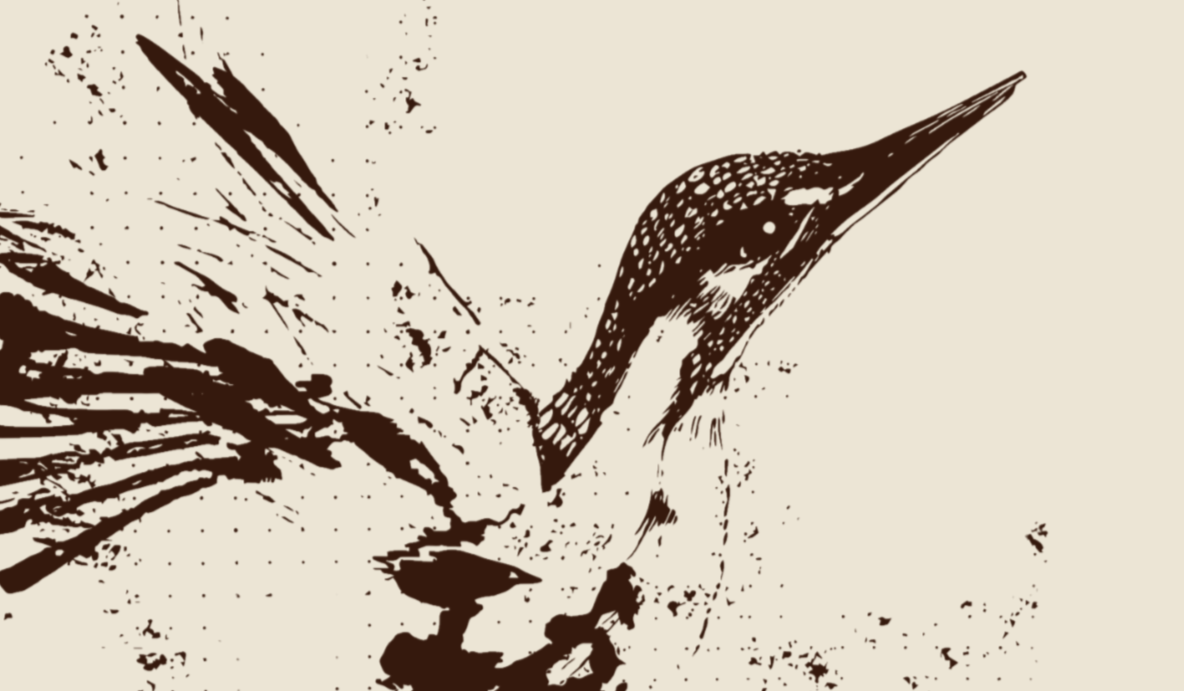
I will be many things at once. Like the Greater Flamingo,’நாரை’ of the salt pans of the north, migrating between far away places to and from Sri Lanka, I will too carry many homes within me. My belonging is not tethered to a single place, but stitched across this journey itself. And in that movement, I am what I am, almost whole.